Home Blog Page 135

Recent out of Africa theory proven wrong by Australian discoveries

The evolutionary origins, especially out of Africa, of modern humans and the mapping of ancient hominin migrations across the planet are matters almost always in flux. With only limited and fragmentary physical evidence available, it has proven incredibly difficult to pin down the definitive narrative of the human story. Perhaps the most prominent claim to whether the last three decades largely unchanged is that around 70,000 years ago modern humans began to migrate out from their homelands in sub-Saharan Africa to colonize the world beyond.

The “Recent Out of Africa Theory” remains at the core of most consensus models tackling human origins and migrations, but in the background, a series of discoveries are threatening to consign this theory to the garbage bin of history. Most of the contrary evidence is emerging from studies focused on the largely sidelined (from a palaeoanthropology perspective) continent of Australasia.
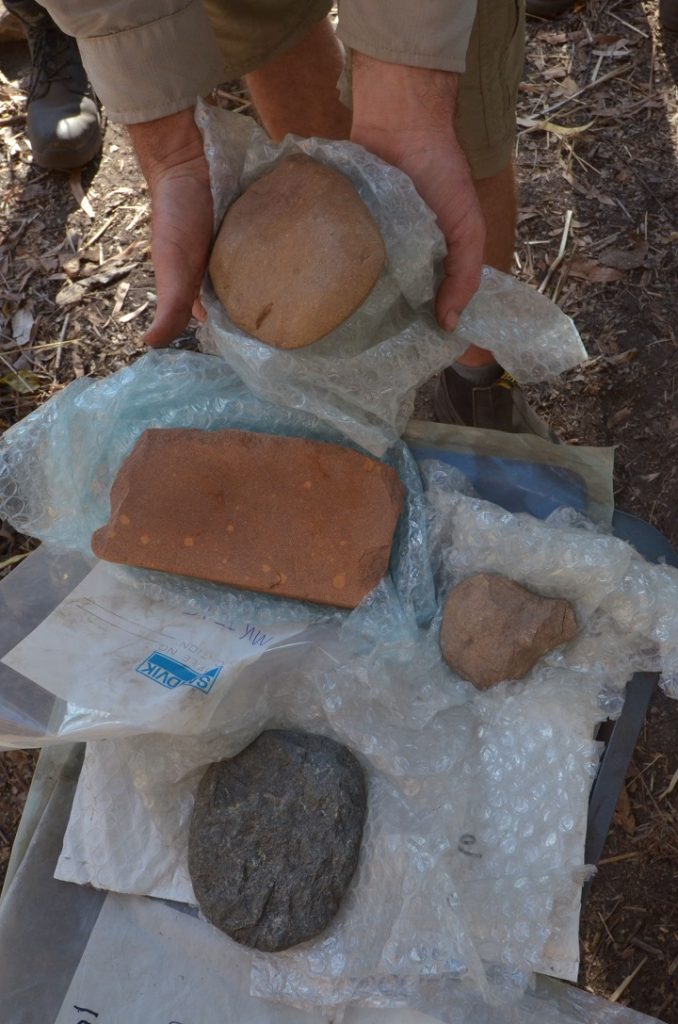
Three axes from different layers of the site and a rectangular sharpening stone from the 65,000-year level

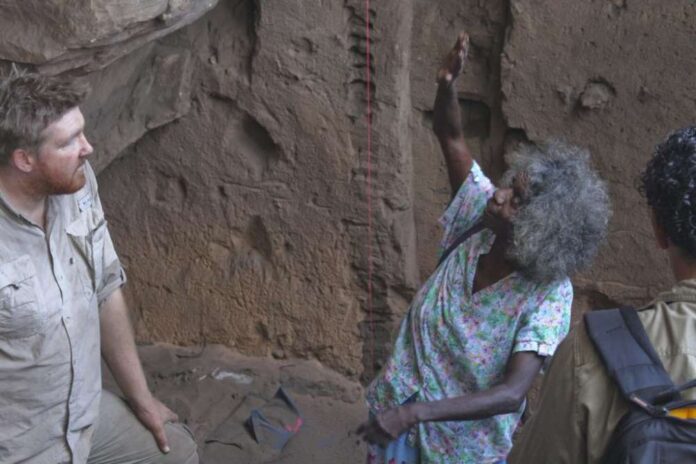
Until around eight months ago, the scientific community was in broad agreement that the first humans to reach Australasia had walked from Africa, probably close to 60,000 years ago, and finally sailed through Indonesia to the continent’s shores 50,000 years ago. This scenario certainly seemed to fit well with the overall expectations of the recent out of Africa model and seemed to embrace most of the available evidence. Then came the announcement of a 65,000-year-old Aboriginal site at the Madjedbebe rock shelter in the far north. Some of the associated stone artefacts mentioned in the paper that was published in Nature in July 2017, “Human Occupation of Northern Australia by 65,000 years ago,” produced dates closer to 80,000 years.

“People got here much earlier than we thought, which means, of course, they must also have left Africa much earlier to have travelled on their long journey through Asia and south-east Asia to Australia,” said the lead author, Associate Professor Chris Clarkson, from the University of Queensland.

There is no conceivable way in which the presence of humans in Australia 65,000 years ago can be explained by a migration moving slowly from Africa through Eurasia 60,000 years ago; even at the 70,000-year upper limit for dating this expansion, it simply does not make sense. Multiple genome studies have indicated that the ancestors of modern Eurasians diverged from their source population between 60,000 and 50,000 years ago.

Before going any further, it is essential to understand why the populating of Eurasia is understood to be the outcome of expansion from Africa; it’s all to do with modern Africans’ genes. The ancestors of all living Europeans and Asians carried the mitochondrial haplogroups (genetic markers) M and N; they also carried Y-chromosomal haplogroup CF. A sampling of modern African DNA revealed that the Eurasian haplogroups stemmed back to mutations which had appeared in the African genome around 70,000 years ago, respectively, these earlier haplogroups were mitochondrial DNA HgL3 and Y-chromosomal HgCT.

You are probably wondering what, then, is the problem with the above modelling; surely this DNA data offers definitive evidence of a shared African origin for all modern humans. The reason for extreme doubt is that the oldest sample of African DNA yet recovered is 8,100 years old. The lack of sufficiently old African genetic samples means we can’t use DNA to geographically place the ancestors of modern Africans living 70,000 years ago; they may have been living well beyond the African continent.

Researchers at the University of La Laguna have suggested that haplogroup L3 entered Africa during a migration, explained in a paper published in December, “Carriers of Mitochondrial DNA macrohaplogroup L3 Basic Lineages Migrated Back to Africa from Asia Around 70,000 Years Ago.” Though the authors of the paper still posit a possible earlier African origin for these migrants, they highlight another glaring anomaly within their data:

“The southern route hypothesis proposes that the Eurasian branches (M and N) of the macrohaplogroup L3 differentiated in or near the African continent and rapidly spread across the Asian peninsulas to reach Australia and Melanesia. Under this assumption, it is expected that, in general, coalescence ages of haplogroups should decrease from Africa to Australia. However, we have demonstrated that this is not the case. Just on the contrary, the oldest M and N haplogroups are detected in southern China and Australasia instead of India, and associations between longitudinal geographic distances and relative ages of M and N haplogroups run, against to expectation, westwards with younger haplogroup ages going to Africa.”

With confirmation that humans were already living in Australasia 65,000 years ago, and that these people carried the oldest variants of the haplogroups considered ancestral for all modern Eurasians, we can redraw the migration map. Somewhere between 60,000 to 50,000 years ago, people carrying the identified ancestral lineages began to move through Asia, heading westwards towards Europe and Africa, reaching these lands 45,000 years ago. These migrants are almost certainly Australasians; no other interpretation better fits the evidence.

Once we abandon the reliance upon modern DNA samples and instead focus on archaeology, paleontology, paleoclimate modelling and archaeogenetic data, the “recent out of Africa theory” is immediately displaced. We may well find that by the end of 2018 a far more harmonious consensus model involving a recent migration out of Australasia.

sourced: Bruce Fenton – author of The Forgotten Exodus: The Into Africa Theory of Human Evolution

photo credit: Gundjeihmi Aboriginal Corporation/Dominic O’Brien
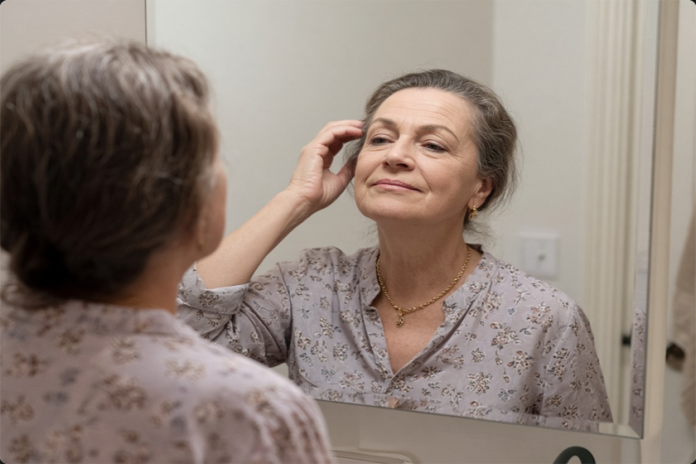


The Narcissistic Mother

Narcissistic Mother

(Submitted by Anonymous)

If you marry into a family where a narcissistic mother has been running the show for years without ever being challenged, and you refuse to tolerate the manipulation, control, guilt trips, or emotional abuse, don’t be surprised when you become the “problem.”

Not because you’re wrong.

Because you’re different.

Families built around narcissistic members often survive by adapting to the dysfunction. They learn to stay quiet, avoid conflict, excuse bad behavior, and sacrifice honesty in exchange for temporary peace. Over time, protecting the narcissist becomes more important than protecting the people being harmed.

Then someone new arrives and starts asking questions.

Someone says, “That’s not okay.”

Someone sets boundaries.

Someone refuses to accept disrespect as normal.

And suddenly the entire system feels threatened.

The people who spent years enabling the behavior may not see you as the person exposing a problem. They’ll see you as the person creating one. They’ll call you difficult, dramatic, disrespectful, controlling, or the outsider who changed everything.

But the truth is this:

You didn’t create the dysfunction.

You didn’t invent the conflict.

You didn’t break the family.

You simply stopped participating in a cycle that everyone else learned to tolerate.

In unhealthy family systems, the person who speaks the truth is often treated worse than the person causing the harm. Accountability feels like an attack to people who have spent years avoiding it.

So if setting healthy boundaries makes you unpopular, don’t automatically assume you’re wrong.

Sometimes being labeled “the problem” is what happens when you’re the first person willing to confront one.

Stay grounded.

Trust what you’ve experienced.

Protect your peace.

And remember: a system that depends on your silence will always punish your voice.


Frito’s Morning Hunt

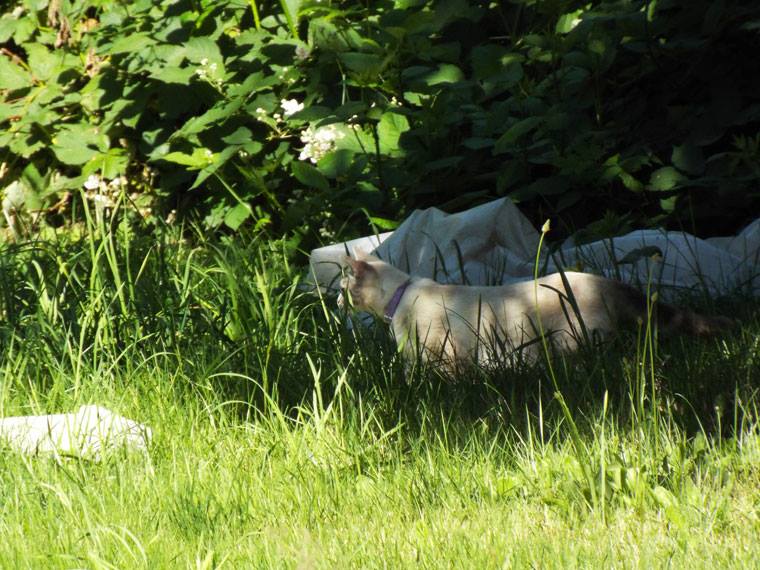
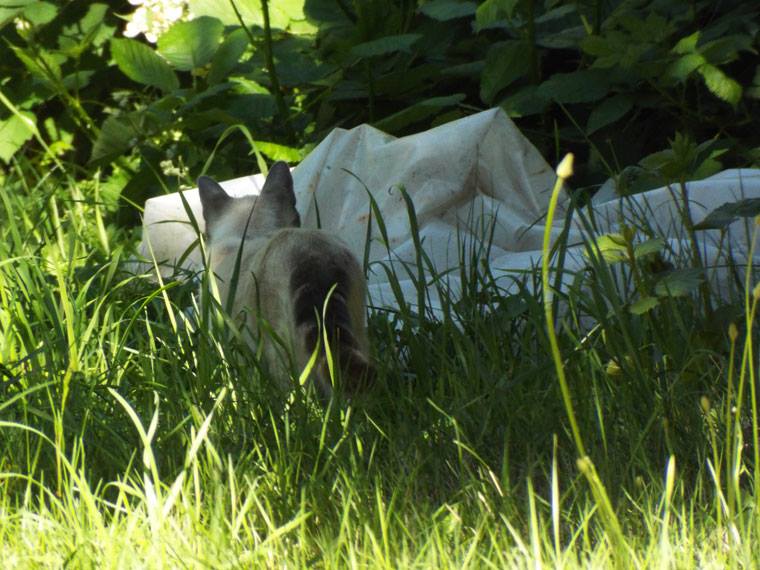
Pictured below is Frito’s morning hunt — as the story goes, a friend from town asked my wife if we wanted a cat.

Evidently her daughter could keep it and wanted to give it away. My wife, not being a cat person reluctantly said yes and the rest was history.

Meet the cat we named Frito

When we got her she was starved and about half feral. Malnourished as she was, we had no idea that she was pregnant too.

Frito was so starved in fact that she would catch moths out of mid air and eat them. She even pulled Dustin’s Baconater hamburger of off the dining room table and ate it.

When we got Frito we immediately took her to the vet for shots and a check-up (that’s when we learned she was pregnant). Once she had her babies (which we promptly gave away to good homes), we had her fixed because she went in heat right away. Drove Luna (our dog) up the wall with all of the yowling.

Once our friend in town found out that we got Frito all fixed up with shots and all, she wanted her back for her daughter — Nope — Cats are an investment and they become part of the family.

The pictures below are just one of Frito’s morning hunts (that cat could catch anything).

Guarding Against Deadly Blows to the Chest in Kids’ Sports

November 12, 2016

WASHINGTON (AP) — Jack Crowley was 15 when a baseball hit him in the chest and stopped his heart. The Long Island teen survived thanks to a police officer who grabbed a defibrillator and shocked his heart back into rhythm.

A blow to the chest — one that hits at just the wrong spot, at just the wrong time — can trigger deadly cardiac arrest. Fortunately it’s rare. But most victims are otherwise healthy kid athletes. And survival hinges on fast use of those heart-zapping defibrillators that not every athletic league or school keeps near the playing fields.

There soon may be another attempt at protection: A U.S. organization that oversees athletic equipment has proposed the first performance standard for chest protectors to reduce the risk from those blows, a step that could lead to updated gear.

Nancy Crowley finds it hard to watch her three sports-loving sons’ games since Jack’s scary near-miss in a batting cage a year ago. She calls the latest move by the athletic industry overdue.

“You cannot live in a bubble,” acknowledged Crowley, who helped lobby local athletic officials to improve access to defibrillators but wants more protection. “If a standard has come along that they feel is going to protect them in some way, I’m thrilled.”

Cardiac arrest, when the heart abruptly stops beating, is uncommon in young people, especially athletes who presumably are in their prime. There are no good counts in kids’ athletics. Whatever the number — or whatever the cause — cardiac arrest is getting more attention from parents, coaches and heart specialists who say deaths should be preventable.

Indeed, NCAA guidelines recently reported in the Journal of the American College of Cardiology say defibrillators should be kept in the immediate vicinity of “high risk locations” such as weight rooms, basketball courts and ball fields.

For younger students, many states have laws encouraging or requiring defibrillators in schools but few specify athletic facilities, according to the advocacy group Parent Heart Watch.

The most frequent cause of cardiac arrest in a young athlete is an underlying structural problem of the heart, such as a thickened heart muscle, the problem often behind headline-making collapses of basketball players.

The chest protector standards take aim at a different problem: Every year, an estimated 10 to 20 people suffer what’s called commotio cordis — cardiac arrest caused by a blow to the chest. A voluntary registry that has collected information on more than 250 cases over two decades does show survival increasing in recent years thanks to more defibrillator access.

The highest risk is to boys under 15, when the chest wall is still flexible, not as sturdy as it will become by their 20s when such deaths hardly ever are reported.

About a third of the time, victims were wearing some form of chest protector when they collapsed, showing at least some of today’s equipment isn’t enough, said Dr. Mark Link, a heart specialist at Tufts University Medical Center who spent more than a decade unraveling just how commotio cordis occurs.

Link’s tests, using young pigs as a model, revealed that killer hits are those landing directly over the heart, at about 40 miles an hour — and in the milliseconds between heartbeats.

Armed with that science, the National Operating Committee on Standards for Athletic Equipment, or NOCSAE, funded creation of a sort of crash-test dummy to prove what gear really reduces the risk, and proposed the first standard for chest protectors used in baseball and lacrosse that aim to do so.

The idea: find materials that disperse the heart-damaging force of a blow without impeding players’ movements — whether they’re catchers or youngsters playing other positions who may wear shirt-like chest coverings under their uniforms. Guarding against commotio cordis may require a different design than standard foam that blocks a broken rib. Among the questions is how to integrate protection against both.

The standard is expected to be completed in January; only then could manufacturers label gear certified as meeting it. NOCSAE’s recommendations often are adopted by sports governing bodies. It’s not clear what such gear would cost.

Already, one company that uses military-grade materials in sports equipment has developed some lightweight protection it expects to fit the bill. In March, Link’s team published lab tests in the Journal of Clinical Sports Medicine suggesting a combination of foams and polymers used by Pennsylvania-based Unequal Technologies is likely to be effective. The company, which funded the research, is producing chest protectors and heart-covering shirts that it plans to test against the final NOCSAE standard.

“If we can stop a bullet, we can stop a ball,” said Unequal chief executive Rob Vito.

Other manufacturers are traveling to NOCSAE’s lab to learn to test products. Stan Jurga Jr. of All-Star Sporting Goods, a Massachusetts-based manufacturer, wonders if he’ll need to alter equipment aimed at professionals, too, because teens sometimes wear the adult sizes.

“Those are the real-world challenges,” said Jurga, who also is pursuing a protective shirt. But he applauded the science, saying, “the last thing anyone wants is a false sense of security.”

sourced – Lauran Neergaard – Associated Press


Glen Keane – Step into the Page

Glen Keane – Step into the Page

Glen Keane is an animator who worked on Beauty and the Beast, The Little Mermaid and Aladdin, among others. He knows a bit about creating something magical, and this video is a look at what happened when he tried Tilt Brush, a three-dimensional drawing program for the HTC Vive virtual reality platform.

See the video:

video
play-sharp-fill

Keane developed an interest in art from a young age, influenced by his father’s work.

He attended Brophy College Preparatory in Phoenix and later enrolled at the California Institute of the Arts (CalArts), where he was mentored by Jules Engel. However, he left CalArts in 1974 to join Walt Disney Animation Studios where he spent decades shaping some of the most iconic animated films of the late 20th century.

In 2012, Keane left Disney to explore new creative avenues.

He founded Glen Keane Productions and collaborated with Google on interactive projects, including Duet, a hand-drawn short film.

In 2017, he directed Dear Basketball, an animated short film based on Kobe Bryant’s poem, which won an Academy Award.

In 2020, Keane directed his first animated feature film, Over the Moon, released on Netflix.

He’s also worked on projects like Duet and Nephtali, pushing the boundaries of hand-drawn animation into the digital age.

Keane has received numerous awards for his contributions to animation.

He continues to innovate in animation, using technologies like virtual reality and interactive media.

His work has inspired generations of animators and artists, cementing his status as a legendary figure in the animation industry.


- Advertisement -Generac Power Systems | A total energy solutions company